Introduction
Colored diamonds are gaining popularity among buyers who want jewellery that stands out from traditional white stones. A lab grown diamond in a fancy color offers vibrant appearance, creative design freedom, and greater accessibility compared to rare natural colored diamonds. However, understanding how color forms, how it is evaluated, and how it performs in real-life settings is essential before making a purchase.
How Fancy Colors Are Created
Fancy-colored diamonds derive their color from specific conditions during crystal growth. In laboratory environments, factors such as temperature, pressure, and trace elements influence the final hue. Some colors form naturally during growth, while others may be enhanced through controlled post-growth processes. Transparency is key—buyers should always ensure that the color origin of a lab grown diamonds is clearly disclosed and documented.
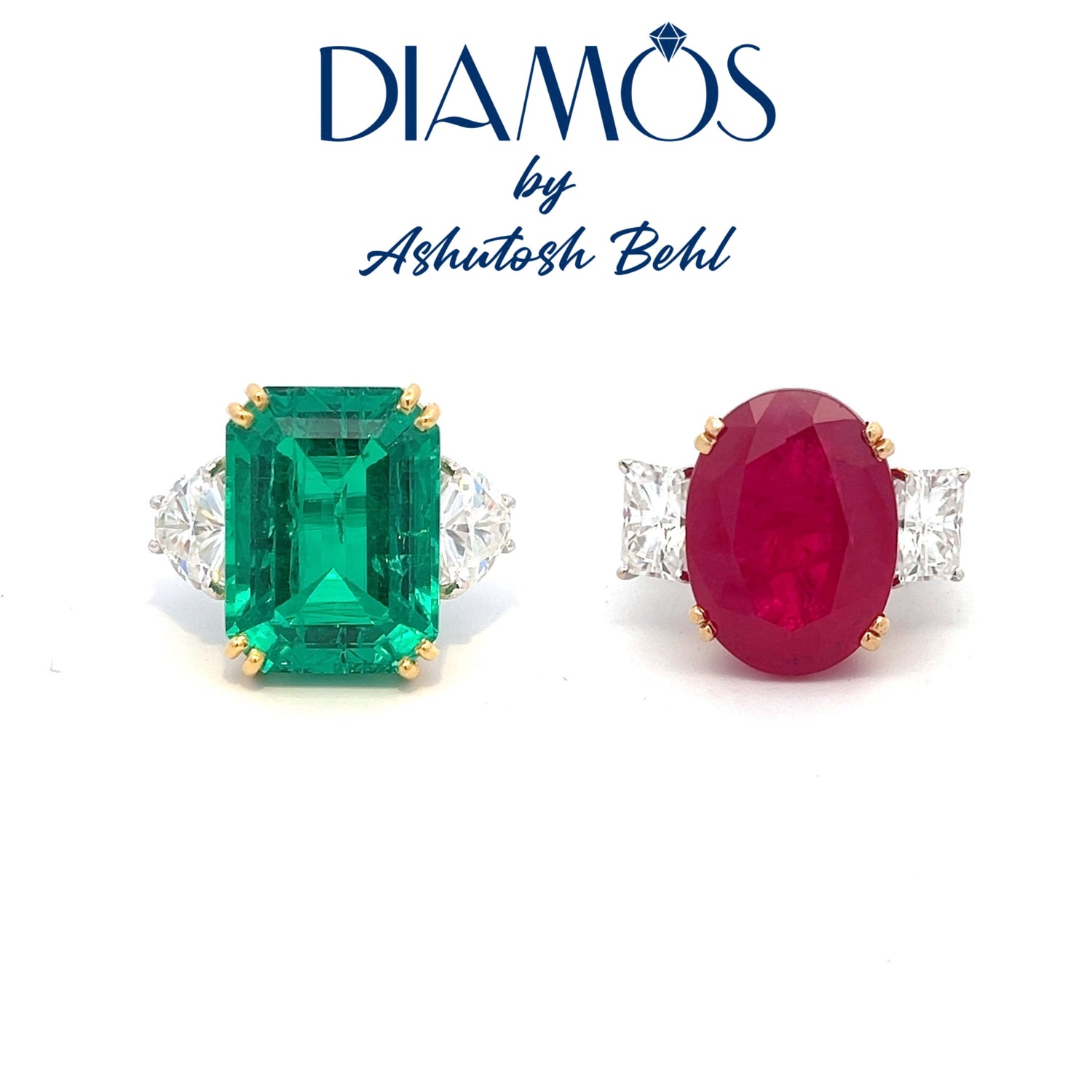
Understanding Color Quality: Hue, Tone, and Saturation
Color quality is not determined by shade alone. Three elements define how attractive a colored diamond appears:
- Hue: The dominant color, such as pink, blue, or yellow
- Tone: How light or dark the color appears
- Saturation: The intensity or richness of the color
The most desirable stones typically display strong saturation without appearing overly dark. A well-balanced lab grown diamond will look vibrant while maintaining brightness and clarity.
Popular Fancy Colors and Their Appeal
Each fancy color offers a distinct aesthetic and emotional appeal.
- Pink diamonds: Romantic, modern, and elegant; often paired with rose gold
- Blue diamonds: Bold and striking; popular in contemporary and statement designs
- Yellow diamonds: Warm and classic; pair beautifully with yellow or white gold
Choosing the right color depends on personal style and how the stone will be worn. A lab grown diamond allows buyers to explore these colors without the extreme price barriers of natural fancy diamonds.
Cut and Shape Considerations for Colored Diamonds
Cut plays a different role in colored diamonds than in colorless stones. Some cuts concentrate color, making it appear deeper, while others spread color across the surface for a lighter look. Cushion, radiant, and oval cuts are commonly chosen because they enhance both color visibility and brilliance. The right cut ensures the lab grown diamond displays consistent color from multiple viewing angles.
Setting Choices That Enhance Color
Settings can significantly influence how color appears. Closed-back or bezel settings intensify color, while open prong settings allow more light to brighten the stone. Metal choice also matters—yellow gold enhances warmth, while white metals increase contrast for cooler tones. Pairing the setting correctly helps a lab grown diamonds achieve maximum visual impact.
Buying Tips for Fancy-Colored Diamonds
Before purchasing, buyers should:
- Request videos in different lighting conditions
- Confirm how color origin is disclosed
- Choose protective settings for daily wear
- Balance color intensity with brightness
Conclusion
Fancy-colored diamonds offer individuality and expressive design possibilities. With informed selection of hue, cut, and setting, a lab grown diamond in pink, blue, or yellow can deliver bold beauty, modern luxury, and lasting satisfaction while remaining versatile and wearable.